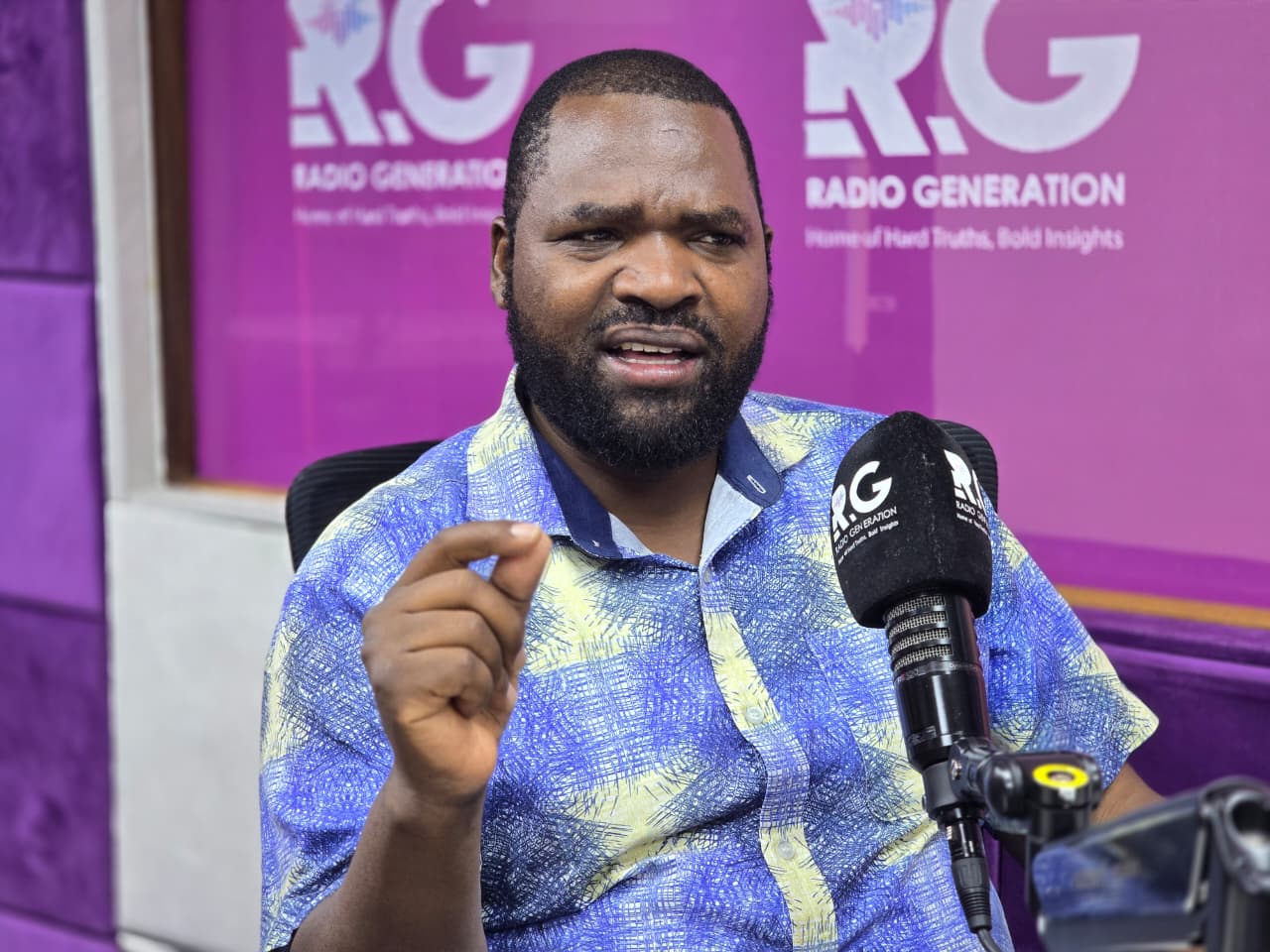
Consultant surgeon and constitutional defender, Magare Gikenyi, has taken Kenya’s affordable housing programme to court, arguing that mandatory salary deductions and the sale of houses built on public land violate the Constitution and undermine fairness in society.
Speaking on Thursday during a Radio Generation interview, he said his objection was not to housing itself, but to unconstitutional implementation.
“There’s no doubt Kenyans will need houses. That’s no issue,” he said. “The issue is the implementation of that project.”
At the heart of his argument is the mandatory deduction from workers’ salaries to fund housing construction.
Gikenyi pointed to Article 40 of the Constitution, arguing that salaries constitute private property because they are earned.
“Somebody has worked hard to earn a salary,” he said. “You earn a salary, you are not given it as a gift.”
It says that Kenya guarantees the right to property, allowing every person to acquire and own property anywhere in the country.
It bars the State from arbitrarily depriving individuals of their property, except for public interest and with full, prompt compensation.
The Article also grants affected persons access to courts, while excluding unlawfully acquired property from constitutional protection.
Under the current framework, workers contribute a percentage of their income towards the housing programme.
The constitutional defender argues that this amounts to forcing individuals to surrender private property for the benefit of others.
“You move 1.5 percent of it, then you are mandated to give someone else to use that house,” he said. “That’s against the Constitution.”
He also framed the policy as contradicting Kenya’s economic model. “It brings about the principle of communism,” he argued, contrasting collective use of resources with what he described as Kenya’s capitalist constitutional order.
“If you have land or a plot of land, that’s yours. I don’t come and say this is for our common use.”
Gikenyi further criticised the structural unfairness in the programme. He said both high- and low-income earners are compelled to contribute, yet only those with sufficient means can ultimately buy the completed houses.
“The haves and the have-nots all contribute,” he said. “Then the houses are sold to the haves. That’s not fair in society.”
He proposed alternatives rooted in Kenya’s own history. He cited public housing schemes previously delivered by the National Housing Corporation, which focused on rental housing for workers.
“We can do it using consolidated funds,” he said, suggesting rental housing rather than private ownership.
“There’s no architecture whereby all of us Kenyans work hard to have a common project, then it’s given to an individual.”
Public land is another fault line. The constitutional defender noted that many housing projects are built on land held in trust for present and future generations.
“Public land is held in trust for this generation and the future generation,” he said. “If we use public land and give it to private people, what do we have for future generations?”
As the courts prepare to rule, Gikenyi acknowledged the complexity of undoing projects already completed.
He argued that even if the developments were found unconstitutional, demolition would not serve the public interest.
Instead, he suggested repurposing the houses for public servants, such as police officers, as a public utility.
“We need to protect our country,” he said. “If sometimes we keep quiet and leave our guard down, then we will suffer a lot.”































Comments
Sign in with Google to comment, reply, and like comments.
Continue with Google